Community.
I bridge theory and practice by serving the communities I study—working closely with practitioners and refugees through mentorship, consulting, and community-engaged research.
Community Projects
-
Digital Dreams Database (3D) for Refugees is a community resource for refugees who are working on digital innovations to connect, collaborate, and exchange resources with each other. Refugees working on projects at any stage—from idea to implementation—are welcome to join. (Link available upon request.)
-
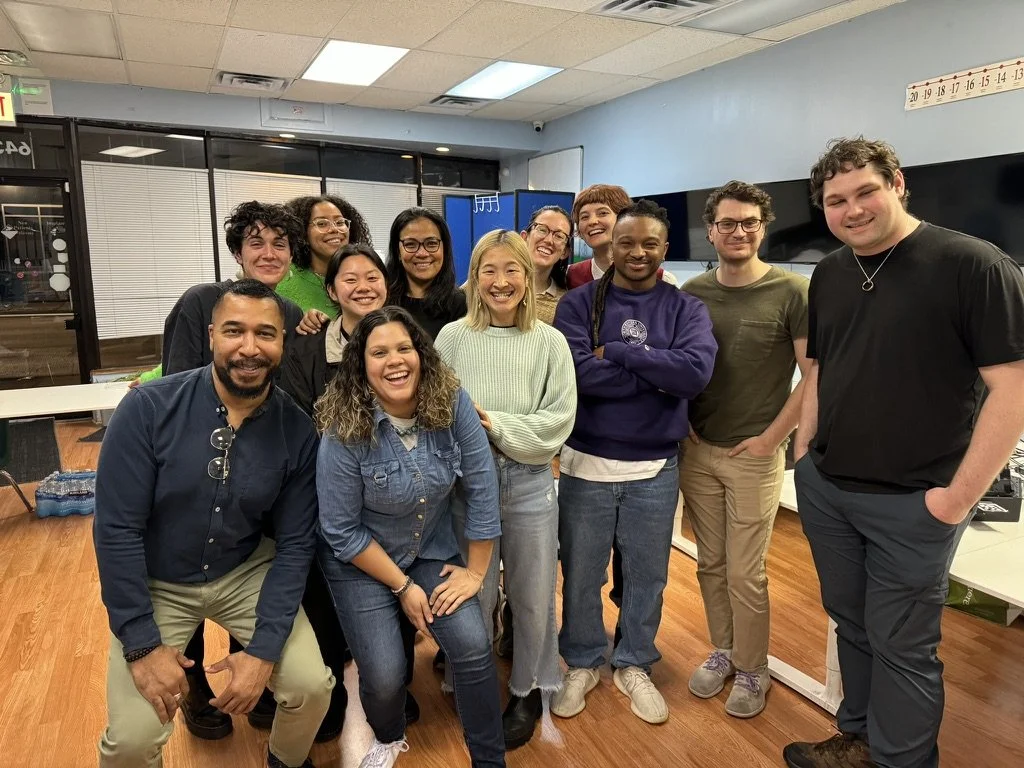
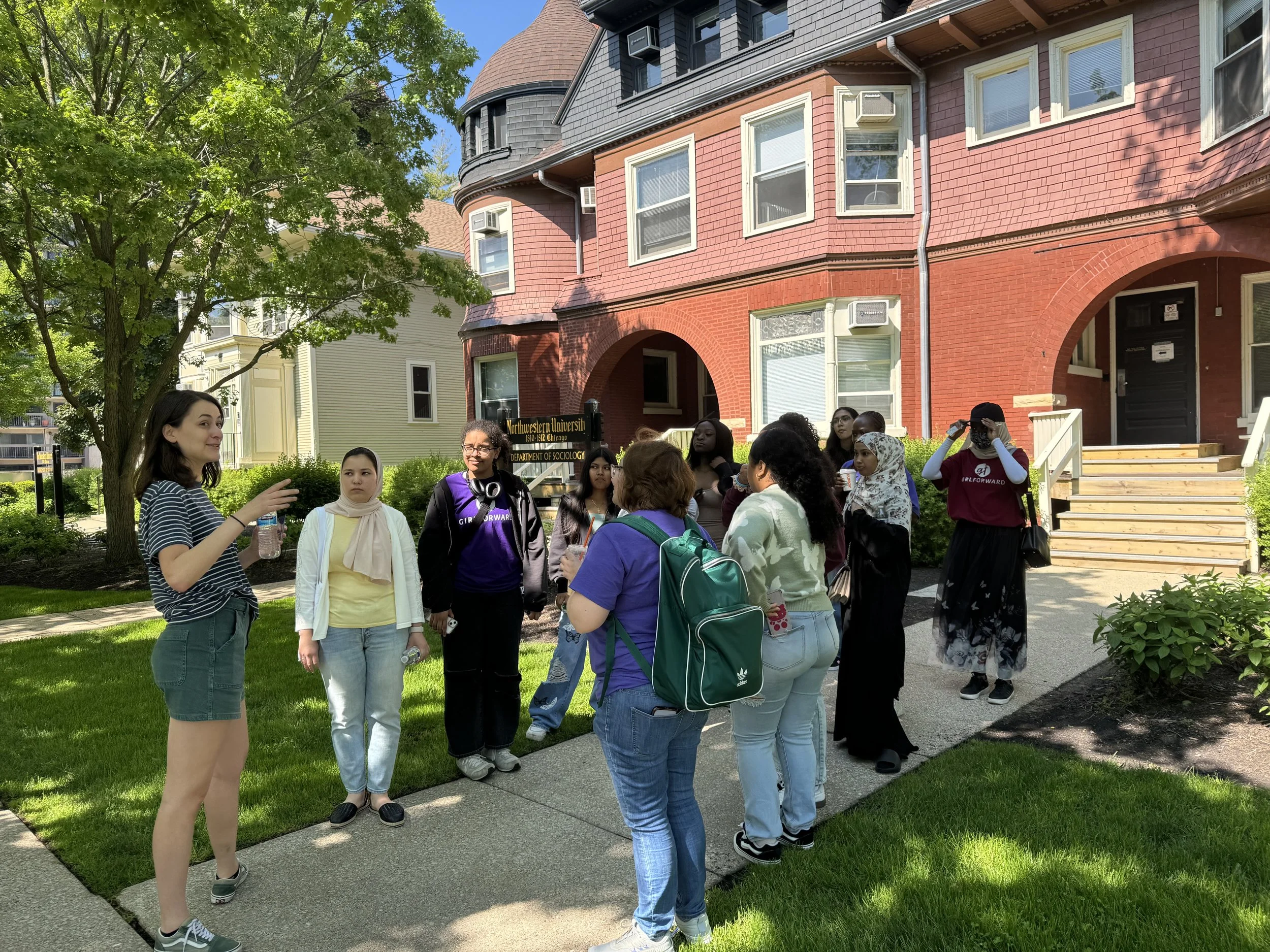
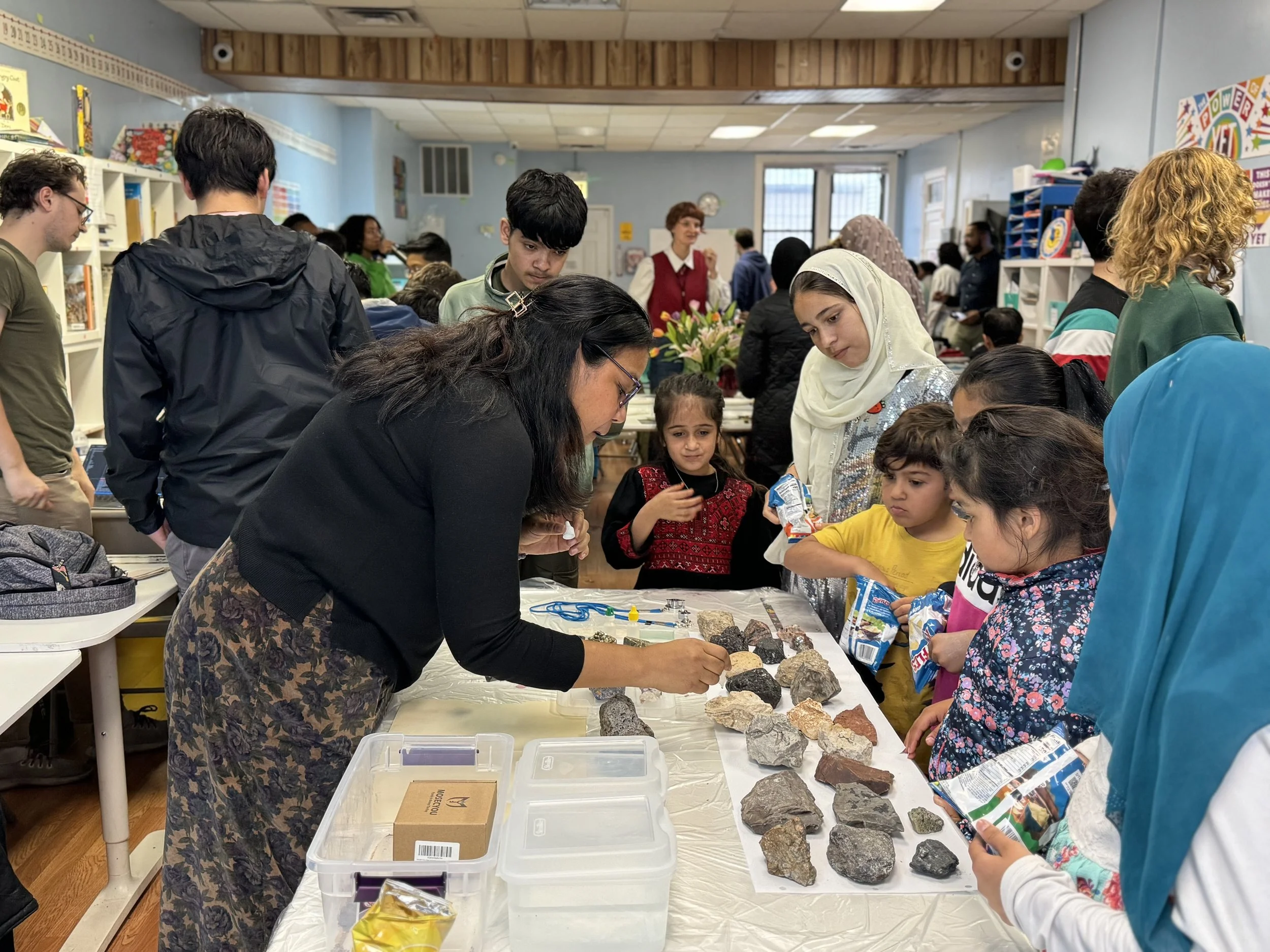
Scientists for Migrant Learning and Education (SMiLE!) is an educational initiative that aims to introduce refugee youth in Chicago to the sciences through science fairs and shadow-a-scientist opportunities.
-
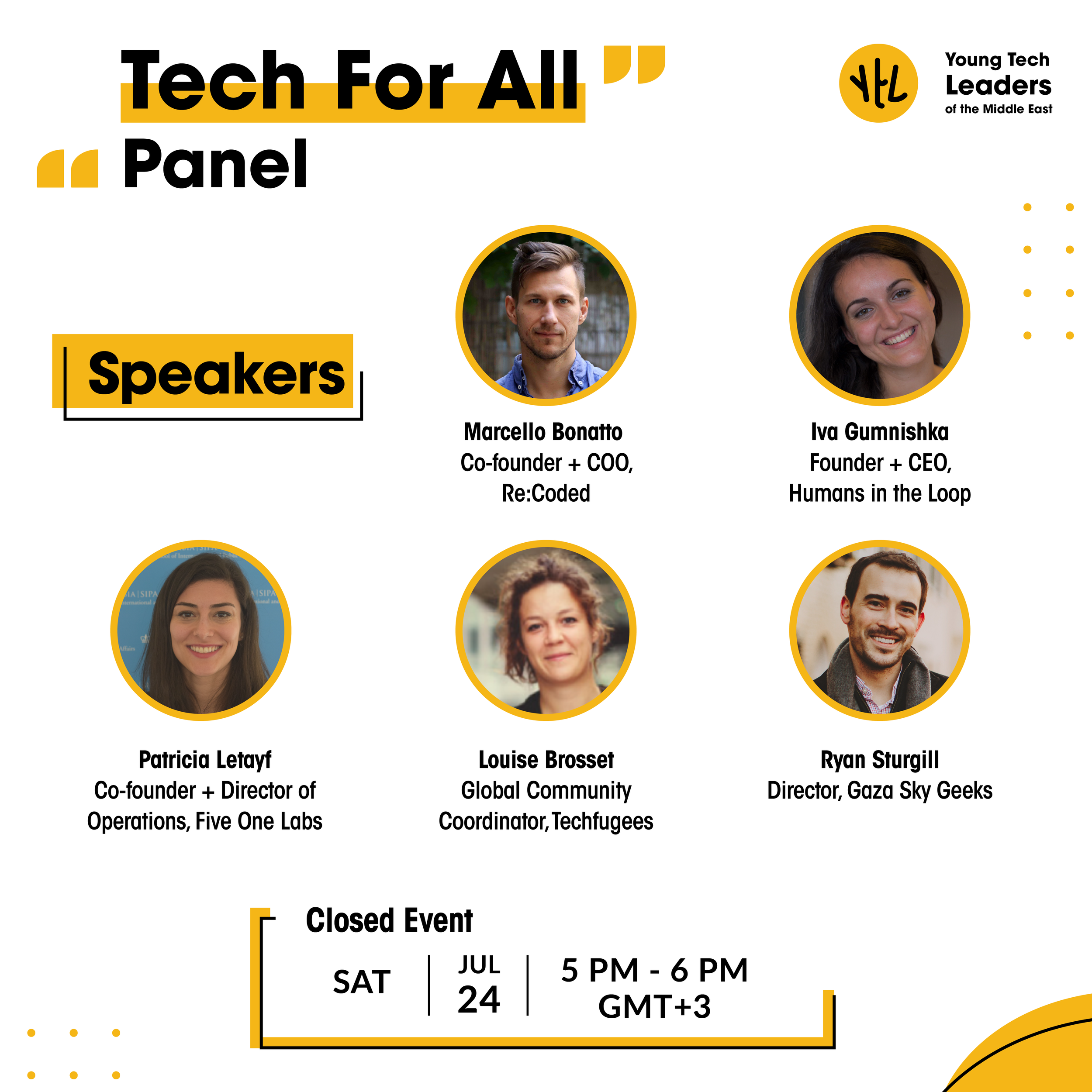
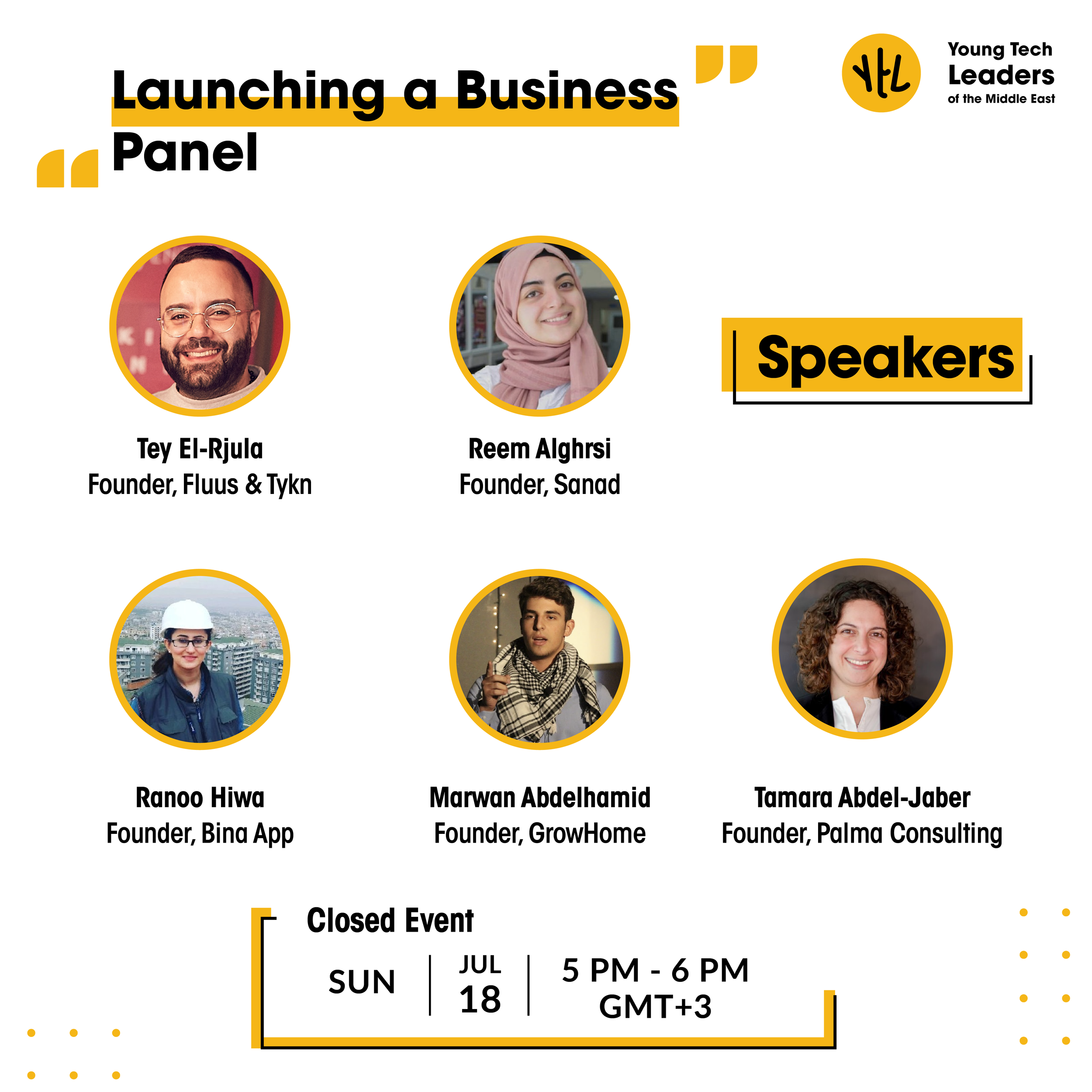
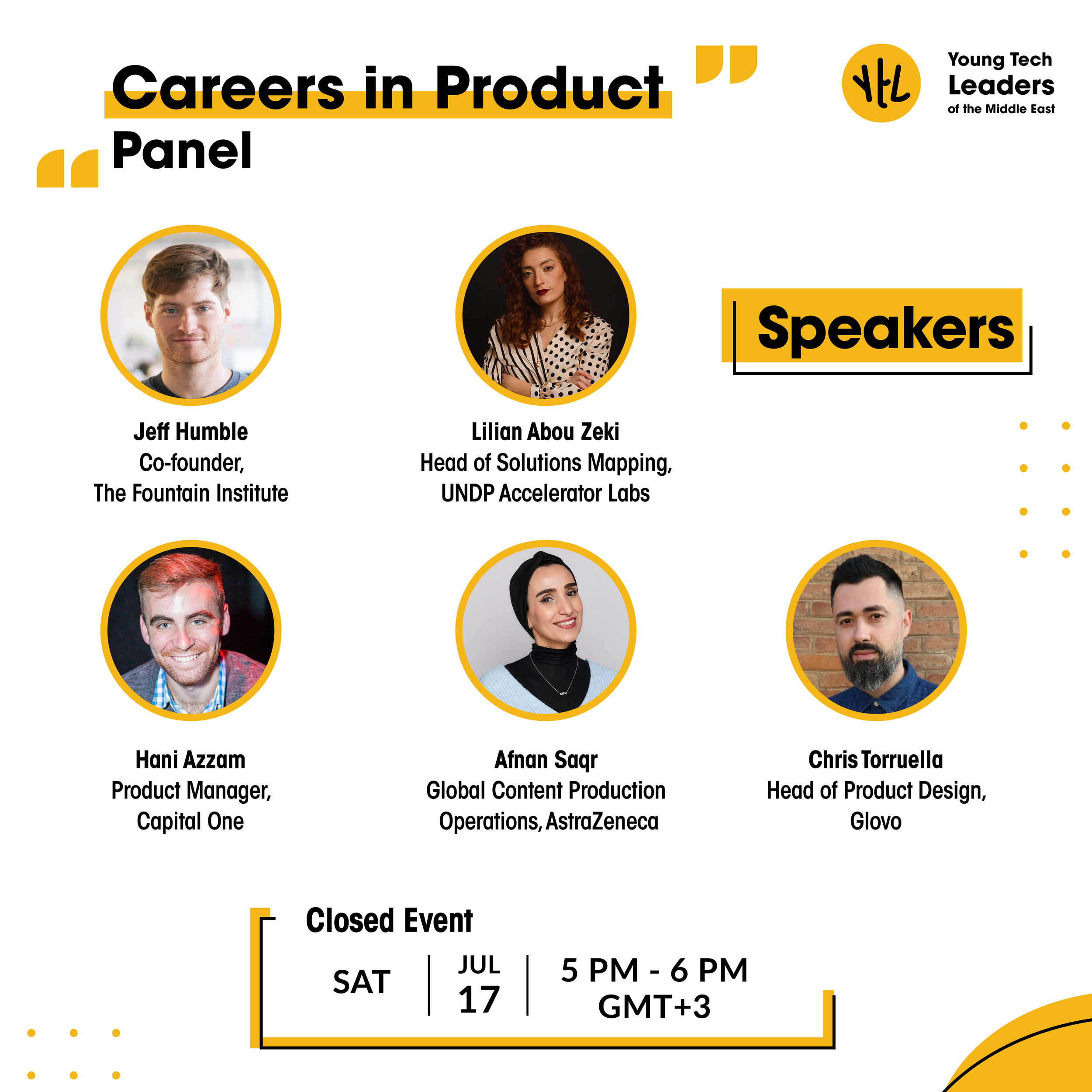
Young Tech Leaders of the Middle East is a leadership program that empowers refugee and conflict-affected youth from the Middle East to become effective leaders in tech through soft skills training, mentorship, and project-based learning. (See here and here.)
-
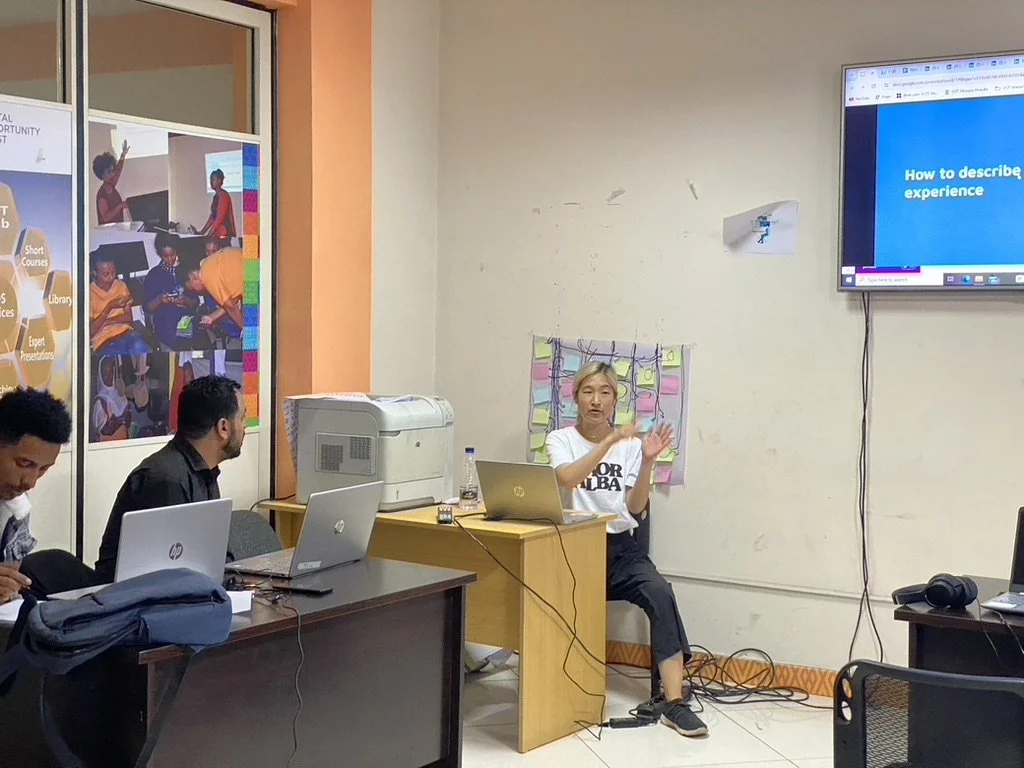
I serve as a mentor with various organizations—including Re:Coded, Gaza Sky Geeks, and Techfugees—providing leadership and professional development workshops for conflicted-affected youth. (See here.)
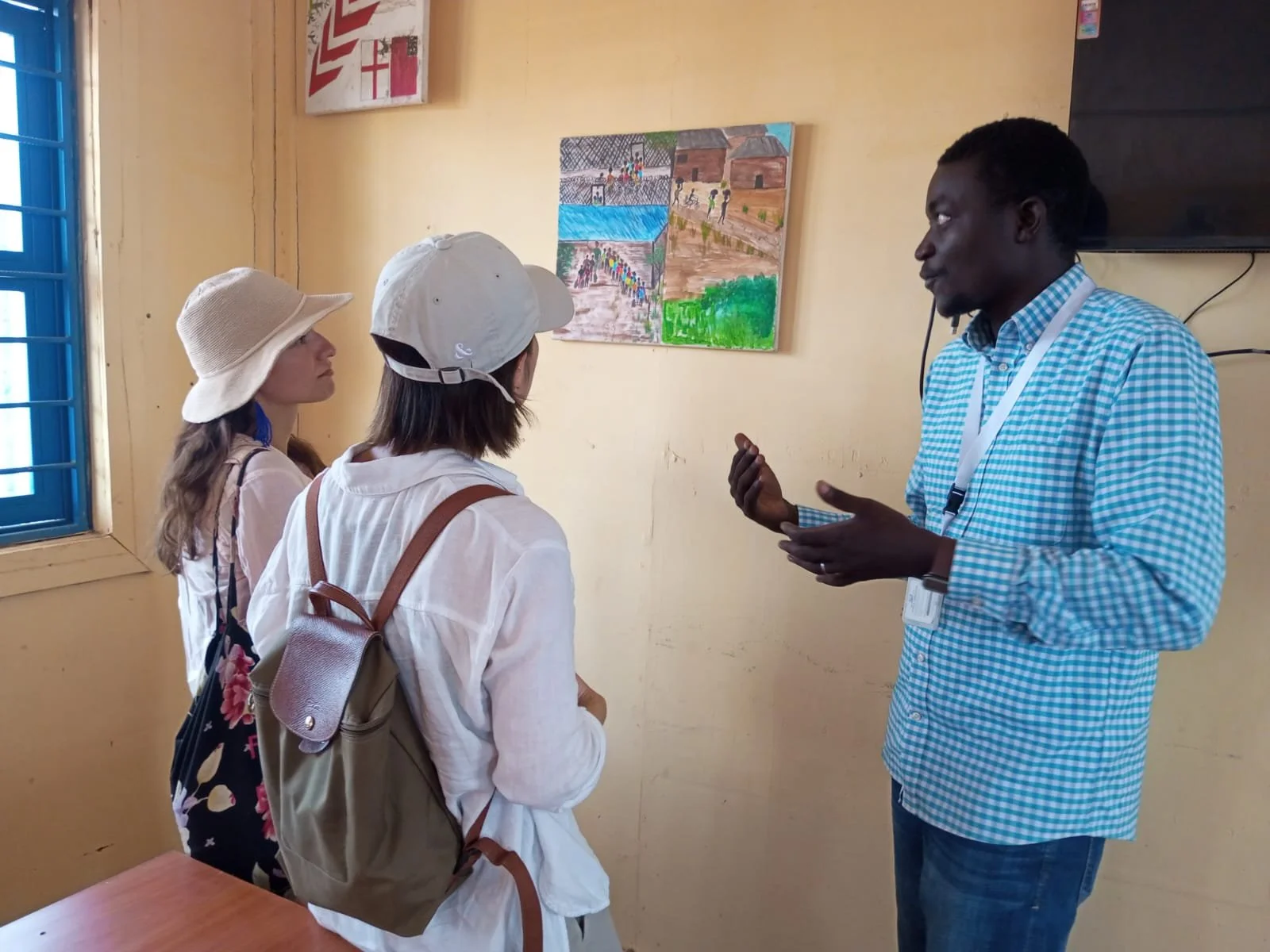
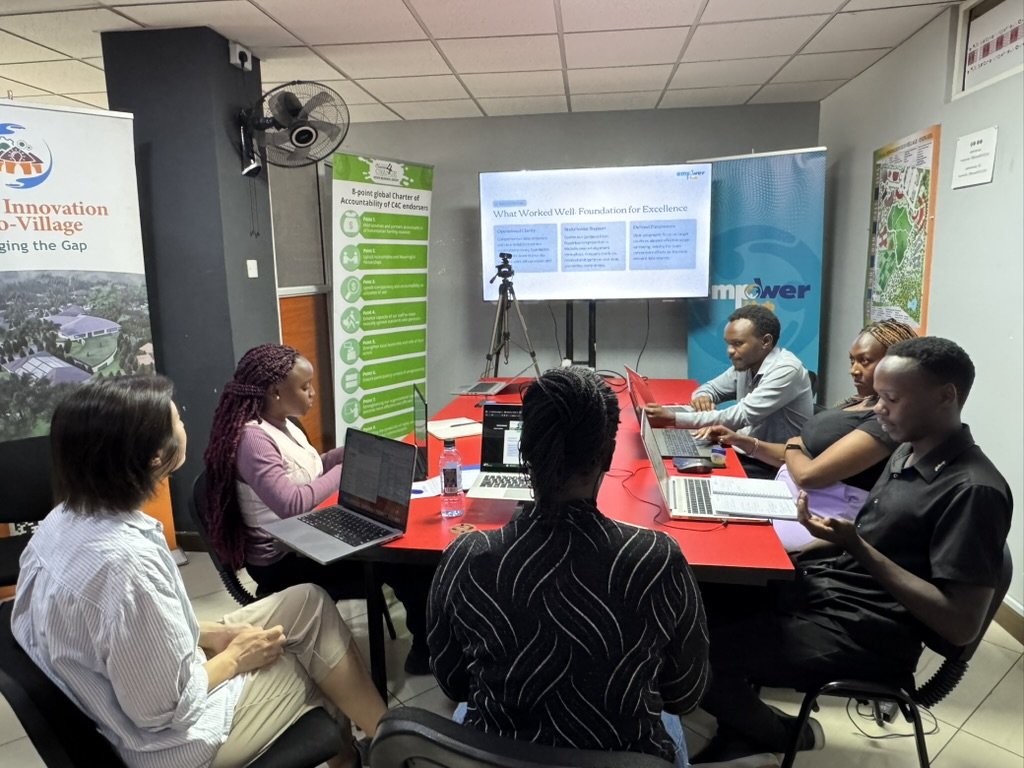
I also mentor refugee leaders who are founding their own ventures, such as Pathways to Renewal in Sudan and CAMPUS Digital Hub in Uganda.
About the Program
With a $10,000 Davis Projects for Peace grant, I launched Young Tech Leaders of the Middle East in 2020/2021 to equip refugee and conflict-affected youth with the skills to become effective, empathetic, and confident leaders in tech. In the first cohort, we trained 24 fellows (selected from ~300 applicants, marking an 8% acceptance rate) from six countries: Iraq, Lebanon, Palestine, Saudi Arabia, Syria, and Turkey. Over 50 speakers, workshop leaders, trainers, mentors, and partners were involved in developing the program. Volunteers came from all over the world, though the majority were from or had ties to the MENA region. 60% of the cohort—and over 50% of the speakers and workshop leaders—were female.
Program Outcomes
100% agree or somewhat agree that they have the skills to be an effective leader (up from 92%)
75% agree or somewhat agree that they have strong connections in the tech community (up from 38%)
88% agree or somewhat agree that they have mentors or role models that they can look up to (up from 63%)
100% found the human-centered design curriculum very useful
100% would highly recommend the program to someone else
100% somewhat or completely met their goals that they set for themselves for the program
88% felt completely safe and supported throughout the program, and 12% felt somewhat safe and supported
Links